
Patient Access Programs in APAC: PAP, PSP, CAP and DTP
September 28, 2026
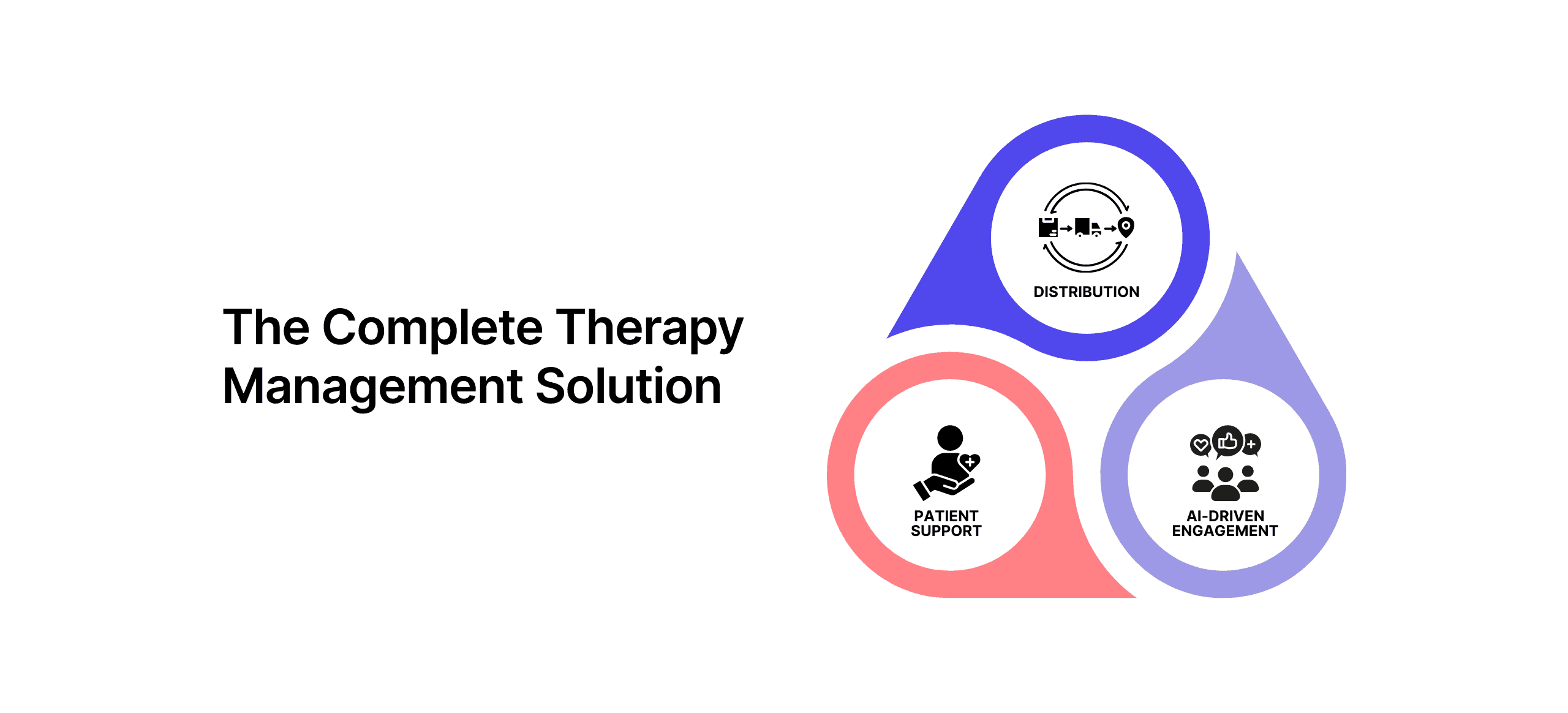
Complete Therapy Management (CTM) unifies pharmaceutical product tracking, patient assistance programs, and AI-driven engagement into one platform, closing the visibility gaps that come from running supply chain, patient support, and compliance as separate systems. Zelthy's CTM combines DSCSA-aligned product tracking with digital patient onboarding, care operations, and an AI-powered compliance chatbot to protect brand integrity and improve adherence.
Complete therapy management (CTM) is an integrated approach that connects pharmaceutical product tracking, patient assistance programs, and AI-driven engagement into a single platform — covering the full journey from drug distribution through to therapy adherence and patient outcomes. Rather than managing supply chain visibility, patient onboarding, and adherence monitoring as separate workstreams with separate vendors, CTM unifies them under one data and workflow layer.
This matters because fragmented therapy management creates blind spots: a supply chain team that can't see patient enrollment data, a patient support team disconnected from distribution status, and compliance workflows spread across multiple systems. Zelthy's CTM™ addresses this by combining product tracking (PT) with patient assistance programs (PAP) and AI-powered engagement — giving pharma companies end-to-end visibility from manufacturing to patient outcomes.
Ensuring reliable medication delivery is a top priority. Zelthy’s PT platform offers:
PT strengthens supply chain security and reinforces brand trust, supporting long-term patient loyalty.
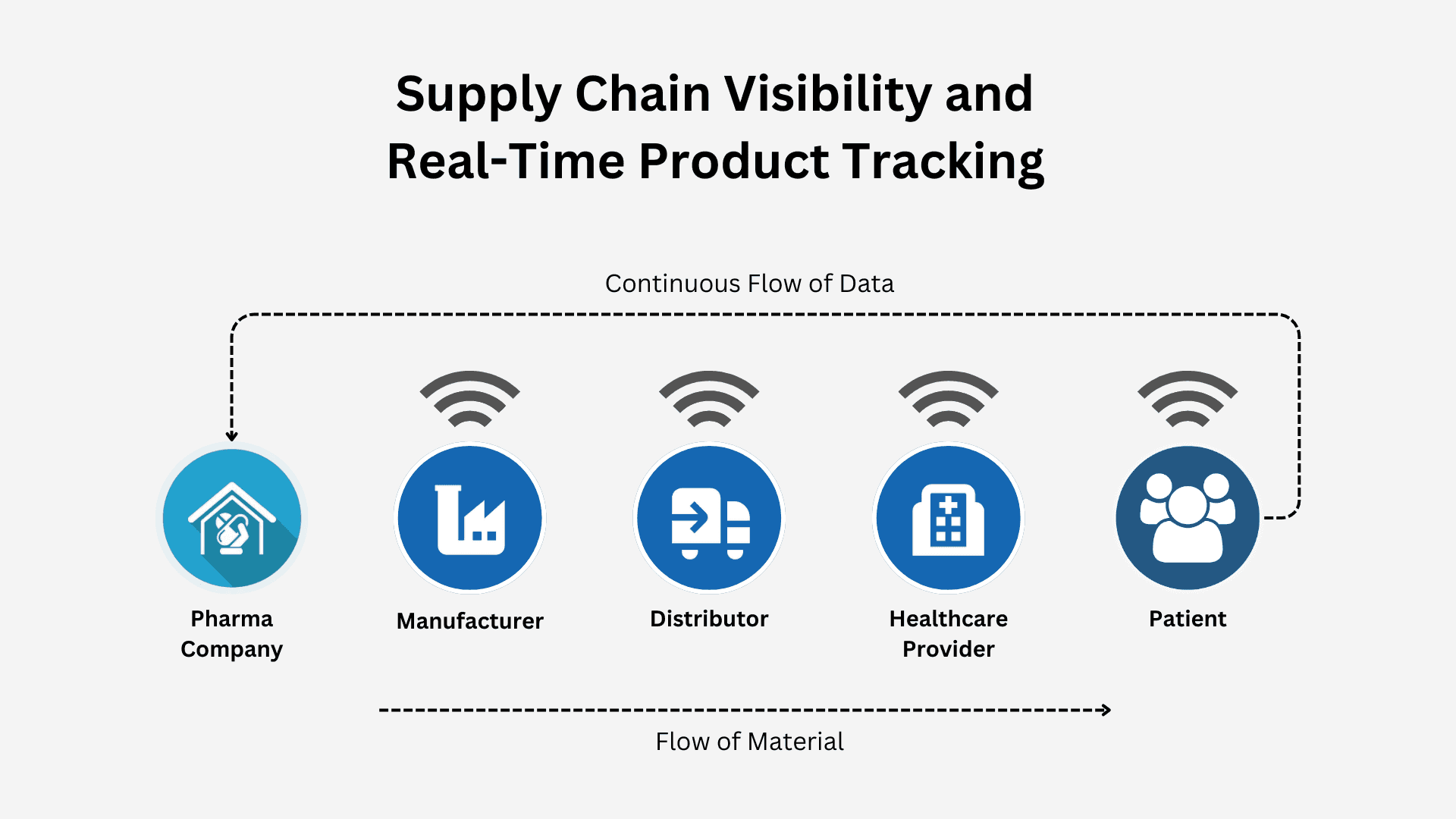
Real-time monitoring of primary, secondary and tertiary packaging
Patient Assistance Programs enhance a brand's reputation by improving access and adherence, critical given that the WHO reports medication adherence in chronic disease averages only 50% in developed countries. Zelthy’s PAP platform provides:
By enhancing adherence through proactive support and providing seamless access, PAP not only improves clinical outcomes but also enhances brand perception, positioning pharma companies as leaders in holistic patient care.
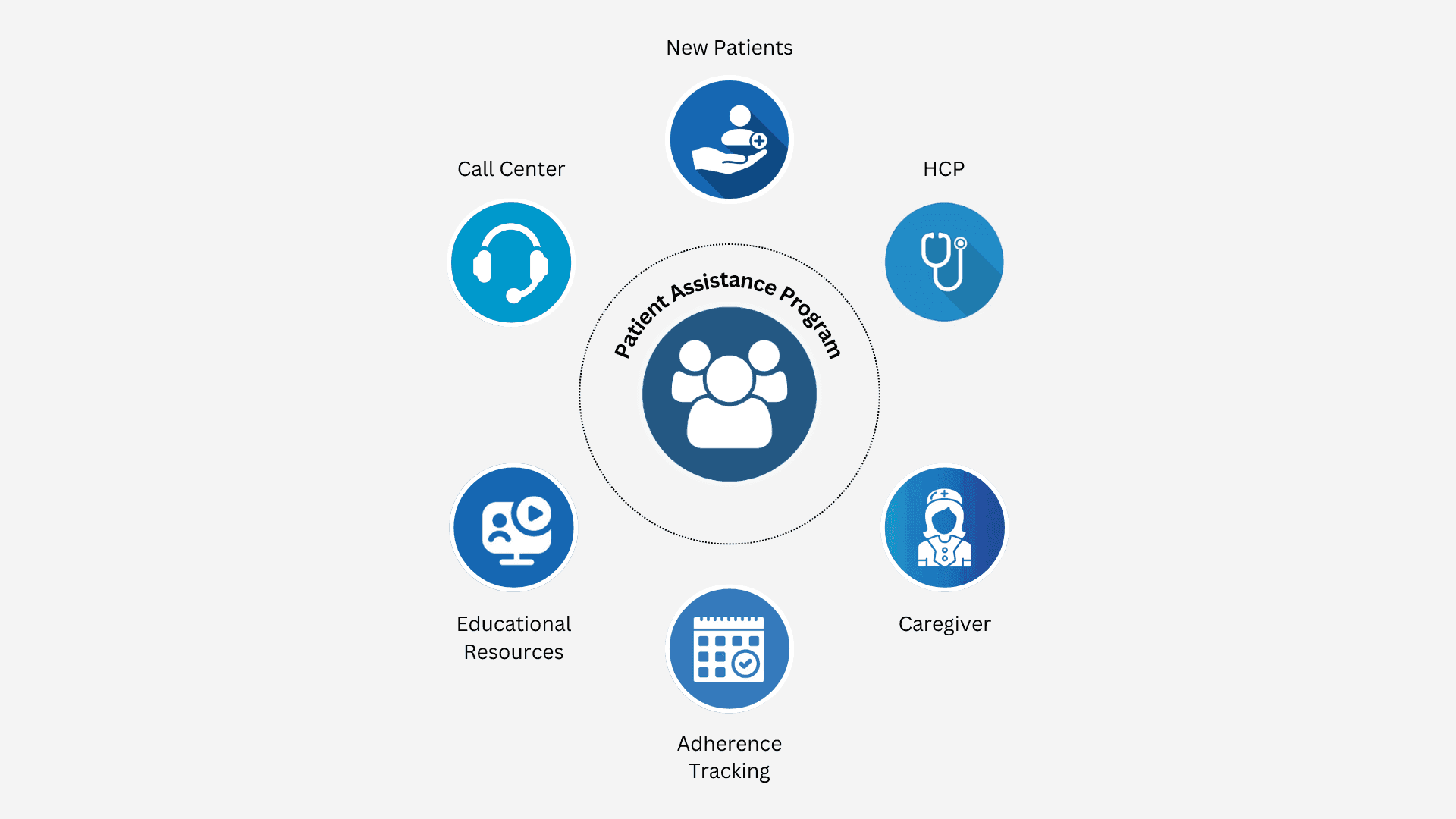
PAPs help improve clinical outcomes and enhance brand perception among consumers
PAP is one component of a broader platform, Zelthy's patient services solution extends these capabilities across enrollment, adherence monitoring, call centre operations, and digital health campaigns.
Zelthy’s CTM suite uses AI to enhance engagement, providing:
AI integration helps pharma companies scale patient engagement, ensure compliance, and innovate their care processes effectively.
Zelthy’s CTM offers pharma companies a powerful tool for achieving both business and patient-care goals. PT and PAP provide unparalleled control over distribution, access, and engagement, while AI-powered insights drive ongoing improvement.
Peer-reviewed evidence supports the impact of integrated patient support on therapy outcomes, a study published in the Journal of Managed Care & Specialty Pharmacy found that patients enrolled in a comprehensive PSP demonstrated 29.3% higher medication adherence and 35% lower disease-related medical costs compared to non-participants.
See how a global pharma company deployed the full CTM suite, with results including 25% adherence improvement and 40% patient satisfaction gains, in our therapy management case study.
CTM is more than a platform, it's a strategic investment aligned with the broader industry shift toward patient-centered care, as reflected in the FDA's Patient-Focused Drug Development initiative, which emphasizes incorporating patient experience data into both drug development and the support infrastructure surrounding therapies.
Book a call with us to learn how Zelthy’s CTM can transform patient care and drive brand value. Write to us at connect@zelthy.com or DM on Linkedin.
What is Complete Therapy Management (CTM)?
Complete Therapy Management (CTM) is an integrated approach that connects pharmaceutical product tracking, patient assistance programs, and AI-driven engagement into a single platform — covering the full journey from drug distribution through to therapy adherence and patient outcomes. CTM eliminates the blind spots created when supply chain, patient support, and compliance workflows are managed by separate teams using separate systems.
What is the difference between a Patient Assistance Program (PAP) and a PSP?
A Patient Assistance Program (PAP) is a component of a broader patient support ecosystem, typically focused on access, enrollment, and adherence support for a specific therapy. A Patient Support Program (PSP) is the broader program architecture that may include PAP services alongside insurance navigation, nurse field support, financial assistance, and real-world evidence generation. In the CTM model, PAP sits alongside product tracking and AI engagement as one of three integrated pillars rather than operating as a standalone service.
How does product tracking in CTM prevent supply chain leakage?
Product tracking in CTM provides real-time visibility into drug flow from manufacturing through distribution to the patient, enabling detection of unauthorized diversions, counterfeit product infiltration, and inventory imbalances at each supply chain stage. Secondary sales tracking — monitoring actual product movement through distributors and pharmacies — gives commercial teams accurate demand signals and identifies leakage points where product is lost, diverted, or reaching patients through unverified channels.
What role does AI play in Complete Therapy Management?
AI in CTM delivers three functions: compliance-trained patient-facing chatbots that handle inquiries accurately without requiring care team intervention; predictive analytics that identify patients at high risk of therapy discontinuation before they drop off; and operational dashboards that surface patterns across enrollment, adherence, and supply chain data to support program improvement decisions. Together these capabilities allow pharma companies to scale patient engagement without proportional increases in operational headcount.
How does CTM generate real-world evidence?
CTM generates real-world evidence by capturing patient behavior data — adherence events, therapy interruptions, side effect reports, refill patterns — systematically across the care journey. This data, collected through digital engagement tools and integrated with clinical and supply chain data, produces longitudinal evidence on therapy performance in actual patient populations. Real-world evidence from CTM deployments supports payer negotiations, health technology assessments, and regulatory post-market surveillance obligations.
What is secondary sales tracking and why does it matter for pharma?
Secondary sales tracking monitors the movement of pharmaceutical products at the distributor and pharmacy level — typically using GS1 standards for interoperable event capture across supply chain partners. This visibility closes the information gap between what manufacturers ship and what patients actually receive, enabling accurate demand forecasting, identification of slow-moving inventory, and early detection of unauthorized distribution channels. Companies using secondary sales data consistently outperform peers on inventory efficiency and market responsiveness metrics.
How does CTM differ from running product tracking and PSP as separate programs?
When product tracking and patient support are managed independently, critical coordination failures occur: supply teams cannot see patient enrollment status, support teams cannot see distribution events, and compliance workflows span multiple disconnected systems. CTM unifies these under a single data and workflow layer, so a dispensing event in the supply chain automatically triggers the appropriate patient support action — enrollment confirmation, adherence follow-up, or adverse event capture — without manual handoffs between teams.

